
Pakistan’s federal budget for 2026–27 has introduced one of the most significant incentive packages for overseas Pakistanis in recent years. With a total outlay of Rs18.77 trillion, the government aims to balance economic recovery, fiscal stability, and investor confidence. For those considering overseas Pakistani property investment, this budget signals a renewed commitment to transparency and growth. Under IMF-backed reforms, Pakistan is targeting a primary surplus of 2% of GDP, thereby strengthening macroeconomic stability and reassuring investors of the country’s financial discipline.
At One Homes, we understand that property taxes are often the most complex aspect of investing in real estate back home. The new measures, including documentation reforms and incentives, are designed to simplify the process for diaspora investors. For those exploring property taxes in Pakistan, this guide explains the key charges, exemptions, and strategies to ensure your investment remains profitable and compliant.
Why Overseas Investors Need to Understand Property Taxes
Property taxes are not just a legal obligation; they directly impact the profitability of your investment. For overseas Pakistanis, understanding these taxes is crucial because it builds confidence in managing costs and ensures your long-term success. With reforms underway, compliance is becoming stricter, making it vital to know exactly what you are liable to pay.
Taxes also shape investor sentiment. Transparent tax structures reassure overseas buyers that their investments are secure and regulated. At One Homes, we emphasise clarity in every transaction, ensuring our clients understand the implications of FBR overseas Pakistani tax exemption policies and how they can benefit from them.
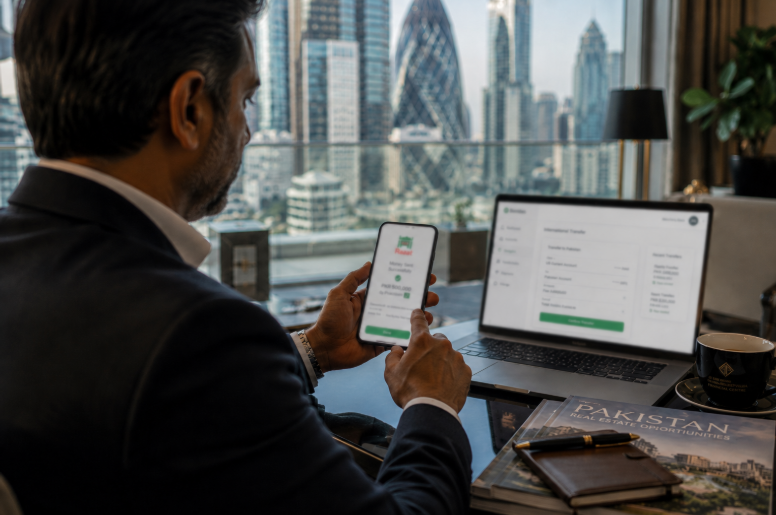
Withholding Tax on Property Purchase
When purchasing property, buyers must pay withholding tax, which is calculated as a percentage of the property’s declared value. This ensures compliance and discourages underreporting.
Capital Gains Tax on Property Sales
If you sell property within a defined holding period, capital gains tax applies. The rate depends on how long you have owned the property, with lower rates for longer ownership.
Annual Property and Municipal Taxes
Property owners must pay annual municipal taxes, which fund local services. These vary by city but are essential for maintaining infrastructure.
Rental Income Tax Considerations
Rental income is taxable, with rates depending on the amount earned. Overseas investors must declare this income to remain compliant.
Together, these taxes form the backbone of Pakistan’s property regulation system and must be understood thoroughly when purchasing property abroad.
Taxes and Charges When Buying Property in Pakistan
Beyond the headline taxes, buyers must also account for registration fees, stamp duties, and legal charges. These costs can add up to 5–7% of the property’s value.
For overseas Pakistanis, transparency in these charges is critical. At One Homes, we ensure every client receives a clear breakdown of costs because we know that, to maintain a professional and mutually beneficial relationship, our clients must feel secure and know that they’re investing their money safely. Eliminating hidden fees and ensuring compliance with regulations governing real estate in Pakistan not only builds trust but also brings peace of mind.
Tax Benefits and Incentives for Overseas Pakistanis
Understanding the available tax benefits and incentives can significantly boost client confidence when it comes to investing. The government has introduced several incentives to attract diaspora investment. These include exemptions on certain property transactions and reduced rates for remittance-backed purchases.
Public-private partnerships also provide opportunities for overseas investors to participate in large-scale housing schemes. With the tax exemption policy for overseas Pakistanis, these incentives make property investment more accessible and rewarding. Knowing these options empowers clients to make informed and confident decisions.
How Property Taxes Impact Long-Term Investment Returns
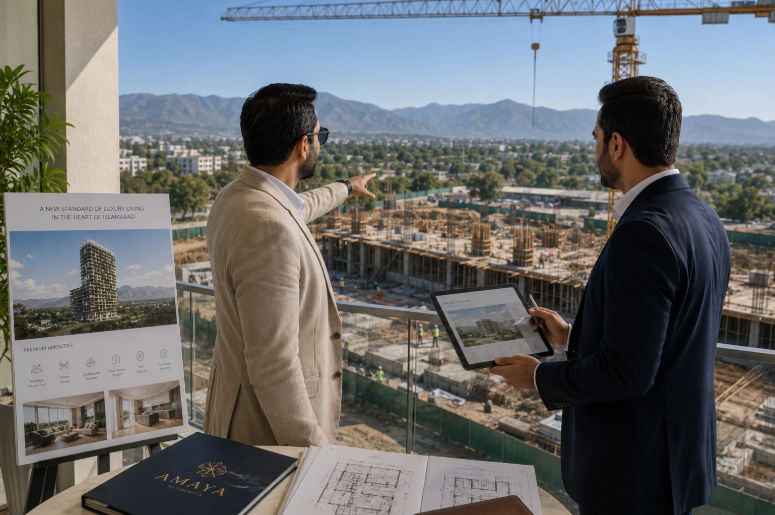
Taxes influence both rental yields and capital appreciation; for example, higher compliance costs may reduce short-term cash flow but improve transparency, boosting long-term value for investors.
For overseas investors, understanding these dynamics is essential. At One Homes, we advise clients on how taxes affect their portfolios, ensuring that every property investment in Pakistan delivers sustainable returns.
Common Tax Mistakes Overseas Buyers Make
Many overseas investors underestimate the importance of documentation. Failing to declare rental income or ignoring municipal taxes can lead to penalties.
Another common mistake is misinterpreting exemptions. Not all transactions qualify, and misunderstanding the rules can erode profits. At One Homes, we guide clients to avoid these pitfalls, ensuring compliance and profitability.
Tips for Managing Property Taxes Smoothly
Managing property taxes requires organisation and clarity. Here are practical steps:
-
Keep all property documents updated and accessible
- Declare rental income annually to avoid penalties
- Verify exemptions with the FBR before claiming them
- Use remittance-backed channels for secure transactions
- Consult professional advisors for tax planning
- Stay informed about budget reforms and policy changes

Smart Property Investment Starts With Tax Planning
Property investment is most profitable when taxes are managed effectively. By understanding obligations and leveraging exemptions, overseas Pakistanis can maximise returns while staying compliant.
At One Homes, our financial advisors specialise in guiding diaspora investors. We provide clear explanations of all taxes, fees, and incentives to ensure you make informed decisions. For those considering projects in Pakistan, we offer tailored strategies to align your investment with fiscal reforms and maximise profitability.
Schedule a call with us today to learn more or check out our events page to meet us in person.
FAQs
What are the 2026 tax considerations for Overseas Pakistanis?
Overseas Pakistanis must account for withholding tax, capital gains tax, municipal charges, and rental income tax. The 2026–27 budget also introduced incentives, making compliance easier and investment more attractive.
Do I have to pay tax on overseas property?
No, overseas property is not taxed in Pakistan. Only property located within Pakistan is subject to local taxation. However, rental income earned in Pakistan must be declared.
Do overseas Pakistanis need to file a tax return in Pakistan?
Yes, if you own property or earn rental income in Pakistan, you must file a tax return. This ensures compliance and allows you to benefit from exemptions and incentives available to diaspora investors.