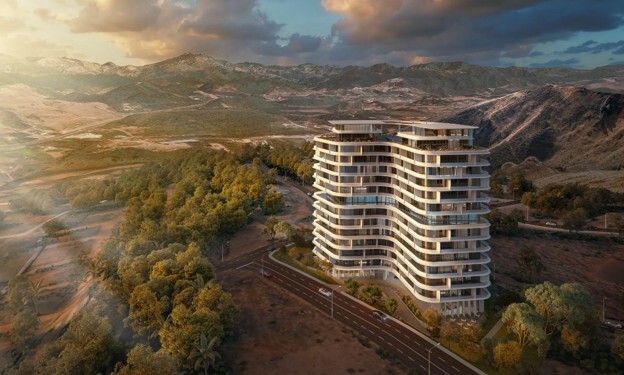
Pakistan's property market is entering a new phase, shaped less by speculation and more by the roads, ports and transport corridors being built across the country. For overseas Pakistanis on the lookout for trusted property developers in Pakistan, this shift toward infrastructure-led growth offers a more measurable way to judge where long-term value will build.
Worldwide, infrastructure has consistently been one of the strongest predictors of future property performance, and Pakistan is no exception. This blog looks at how major transport projects are reshaping demand, which cities stand to benefit most, and what disciplined property investment in Pakistan looks like.
Why Infrastructure Matters in Real Estate
Property values rarely rise in isolation. They respond to how easily people can reach jobs, schools and city centres, which is why infrastructure investment tends to move ahead of genuine demand.
Pakistan's own infrastructure drive reflects this pattern. The country is investing heavily in transport, energy and urban infrastructure, with GDP growth forecast at around 3.7% for FY2026, positioning it as an increasingly credible regional logistics hub.
How Infrastructure Creates Property Value
Once a road, port or rail link is confirmed, property markets around it tend to move through a fairly consistent sequence, from improved access through to sustained housing demand.
Better Connectivity and Accessibility
Shorter, more reliable journey times to city centres are usually the first visible change, making previously overlooked areas genuinely commutable.
Business and Commercial Growth
Warehousing, retail and service businesses follow closely behind, drawn by lower transport costs along new corridors.
Job Creation and Population Growth
Construction and, later, operational jobs bring workers and families into surrounding districts, building the population base that supports new housing.
Rising Demand for Housing
As population and income grow, demand for residential projects rises in step, from workers' accommodation through to premium family homes.

Major Infrastructure Projects Shaping Pakistan
Several large-scale projects are already reshaping the map. Together, they point to where accessibility, and therefore property demand, is likely to improve fastest over the coming years.
Motorways and Ring Roads
The Rawalpindi Ring Road is nearing completion in 2026, while the Sukkur to Hyderabad M6 motorway has secured Asian Development Bank financing, both set to ease congestion and open new corridors.
Port Qasim Expansion
A $2 billion, multi-decade expansion is under way at Port Qasim, strengthening Karachi's role as an industrial hub with knock-on effects for nearby property.
CPEC and Logistics Corridors
Continued investment under the China Pakistan Economic Corridor is extending rail and road links between Gwadar, Karachi and northern Pakistan.
Airports and Transport Upgrades
Alongside road and rail projects, airport and transport modernisation continues to improve connectivity between major cities, supporting business travel and property demand.
Cities That Could Benefit the Most
Not every city will benefit equally. Areas closest to confirmed infrastructure, with genuine employment growth, tend to see the clearest and most sustained property gains. Clients must research the best cities in Pakistan for property investment in more detail before making any decisions.
Lahore
With new road links and continued commercial growth, property in Lahore remains attractive to buyers seeking established, well-connected neighbourhoods with strong resale demand.
Islamabad
Steady infrastructure investment and a growing diplomatic and business presence continue to support demand for property in Islamabad, particularly in newer, master planned sectors.
Karachi
As Pakistan's largest city and commercial capital, Karachi stands to benefit directly from the Port Qasim expansion and wider logistics investment along its coastline.
Gwadar
Positioned at the heart of CPEC, Gwadar's long-term prospects remain tied closely to the pace of port and connectivity development in the years ahead.
What Smart Investors Look for Before Infrastructure Is Complete
Experienced investors rarely wait for a project to finish before acting, but they are also careful where and how they commit capital, typically favouring trusted property developers in Pakistan over unverified land deals.
Approved Housing Projects
Developments with clear regulatory approval and documented land title reduce legal risk compared with informal or unapproved schemes.
Trusted Developers
A track record of on-time delivery, transparent pricing, and verifiable construction progress remains the clearest indicator of a real estate developer worth backing. Clients must explore premium property projects built on this standard.
Population Growth
Areas with rising population and steady employment growth tend to sustain housing demand well beyond the initial announcement.
Commercial Activity
Early signs of retail or office activity nearby often signal that residential demand will follow within a reasonable timeframe.
Common Mistakes Investors Should Avoid
Infrastructure-led growth is genuine, but it still rewards patience and discipline over speculation. A few recurring mistakes are worth avoiding.
Buying Based on Rumours
Unconfirmed reports of a future road or scheme can inflate prices before any approval, leaving early buyers exposed if plans change.
Ignoring Legal Approvals
Skipping due diligence on title and regulatory status remains one of the most common and costly errors in Pakistani real estate.
Expecting Immediate Returns
Infrastructure-linked appreciation typically plays out over years, not months, so short-term expectations rarely match how these markets behave.
How Overseas Pakistanis Can Benefit
Overseas Pakistanis already play an outsized role in the country's economy. Remittances reached a record $4.25 billion in May 2026 alone, underlining the diaspora's continued financial confidence in Pakistan even amid global uncertainty.
Channelling part of that confidence into carefully chosen investment properties, backed by transparent developers and located along genuine infrastructure corridors, allows overseas Pakistanis to build long-term value rather than simply sending money home.
If you’re looking to invest in a residential project or luxury apartment, our financial advisors can guide you on investment opportunities in Pakistan. Meet them at an upcoming event or schedule an online meeting.
Frequently Asked Questions
Do Infrastructure Projects Increase Property Prices?
Yes, in most cases. Confirmed roads, ports and transport links tend to lift nearby property prices over time, though the increase usually builds gradually rather than overnight.
Which Cities Are Growing the Fastest?
Lahore, Islamabad, and Karachi currently show the clearest infrastructure-led growth, with Gwadar offering longer-term potential tied to CPEC development.
When Should Investors Buy?
The strongest value is often available once a project is confirmed and funded but before construction is complete, when prices have not yet fully adjusted.
What Should I Verify Before Investing?
Confirm the developer's track record, the project's legal and regulatory approvals, and clear proof of construction progress before committing any capital.